Menu

Call This Saturday Get $50 Off Today

Kitchen Plumbing

When the sink backs up or the faucet starts to sputter, you feel it in your daily work right away. Rooter Guard sees this in many homes, and it reminds us that a kitchen

Kitchen Plumbing

Kitchen Plumbing

When the sink backs up or the faucet starts to sputter, you feel it in your daily work right away. Rooter Guard sees this in many homes, and it reminds us that a kitchen needs quality care to stay useful. A good plumber can help, but simple habits from the homeowner make a big difference, too. This guide walks through the most common trouble spots and explains how each one connects to the larger system.

When the sink backs up or the faucet starts to sputter, you feel it in your daily work right away. Rooter Guard sees this in many homes, and it reminds us that a kitchen

Trouble Spots Under the Sink

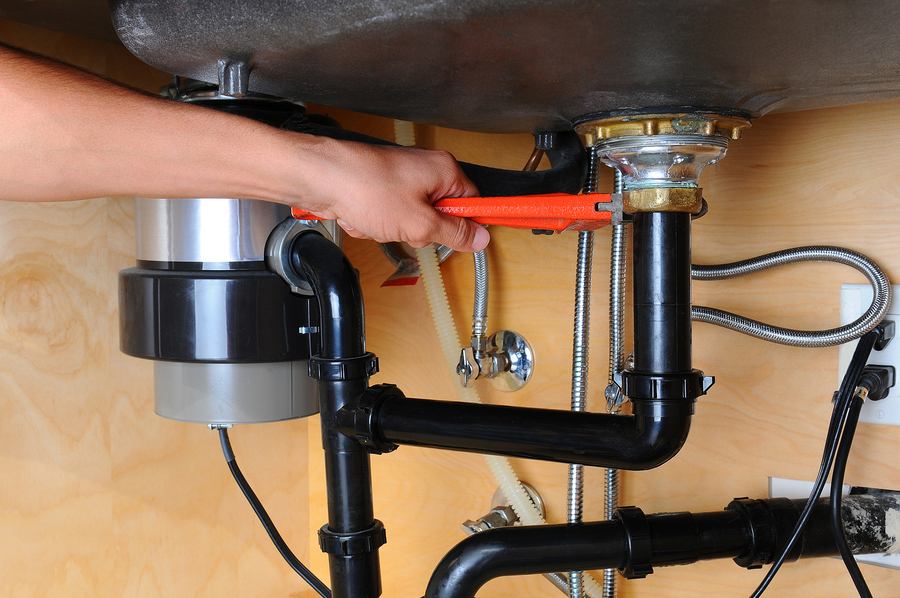
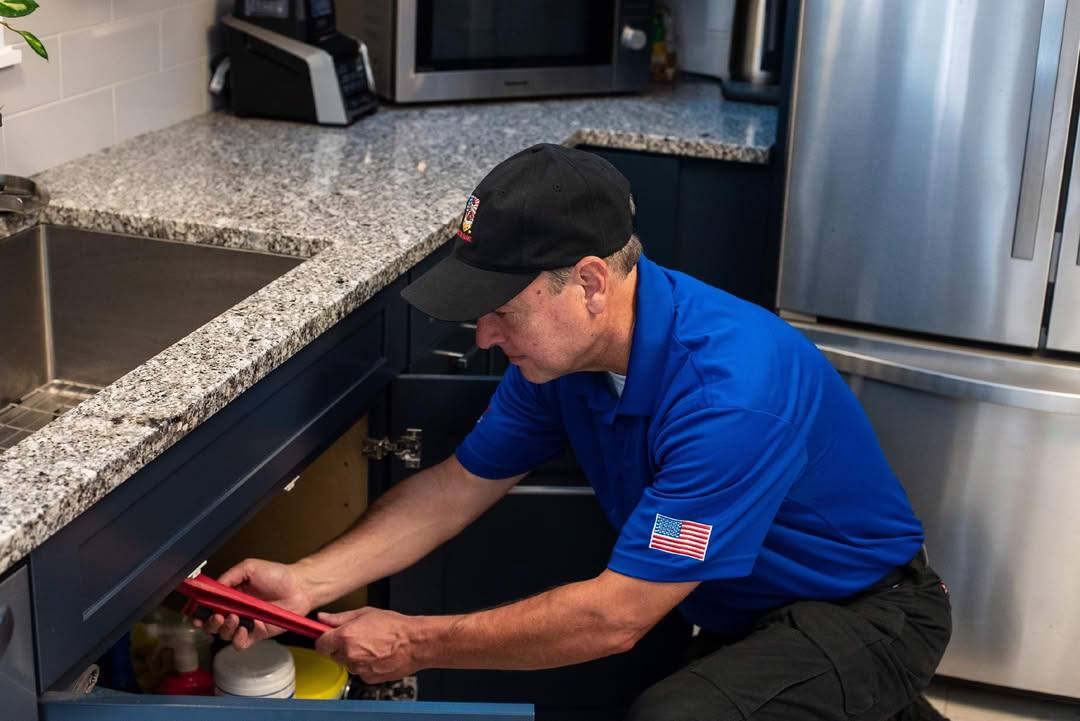
The area below the sink sits behind a pair of doors, so it stays out of sight most days. Still, this small space holds parts that keep your kitchen moving. The trap, the drain pipe, and the supply lines sit close together. Any one of them can leak or clog after routine use. The trap sits right under the drain. Its curve holds a small amount of water that blocks sewer gas. When food scraps slip past the strainer, they settle in this bend. Eventually, the buildup turns into sludge that limits flow and sends water back into the sink. A clear trap gives you a clear drain. The drain pipe that connects to the main line can loosen at the joints as well. A loose joint leaks when the sink runs heavily. The cabinet floor then shows stains or damp edges. You might see mold on the back panel if the leak goes on for long enough. Tighten the slip nuts by hand and check the washers for cracks. Fresh washers cost little and stop a leak right away. Supply lines also sit in this space. Most kitchens use braided steel for cold and hot water. These lines stand up to a lot of use, but they age. When you see corrosion near the shutoff valves or find damp spots near the fittings, change the lines before a full break. Water damage spreads fast in a cabinet, so quick action protects the rest of the kitchen. Routine checks in this small area give you a good idea of how the whole system works. If something is off or the leak seems larger than a hand tool can handle, call plumbers who know their way around kitchen spaces.

How Dishwashers Tie Into the Plumbing

A dishwasher blends into the cabinets, but it relies on several moving parts behind the panel. It needs power, a water supply, and a drain path. Each part interacts with your sink setup, so a problem with the dishwasher can point to an issue with the sink itself. The water for the dishwasher comes from the hot supply line under the sink. A small valve splits the water between the faucet and the appliance. When the valve sticks, the dishwasher runs with weak flow or no flow at all. This leads to dirty dishes and long cycles. Replace the valve or clean it out before the appliance starts to strain. The drain line from the dishwasher connects either to the disposal or directly to the drain pipe. A clog or kink in this line sends water back into the tub. Food residue can cling to the inside of the hose and slow down drainage. A simple flush or replacement hose keeps the cycle clean. In homes with a disposal, a clog in the disposal can also block the dishwasher line. Clear the disposal first before checking the hose. Air gaps or high loops keep sink water from backing into the dishwasher. When installed incorrectly or blocked, they let dirty water slip into the appliance. Clear the air gap cap or reset the high loop to keep the system safe. A dishwasher gives clues when the kitchen system needs attention. When you hear gurgling, see water pooling in the door, or smell a stagnant odor after a cycle, a deeper issue could be building. A plumbing service can help clear things up fast.
Our Services

Plumbing Services

Faucets & Kitchen Sink

A kitchen stays busy all day. When something slows down the flow of…

Camera Inspection

A good look inside a drain line tells you the truth faster than…

Sewer Repair

A sewer line problem interrupts daily life quickly. Rooter Guard sees this…

Repiping

A plumbing system reaches a point where repairs stop making sense. Many homeowners…

Garbage Disposal Replacement

A dead disposal can bring a busy kitchen to a stop. When that…

Toilet Replacement

A toilet that refuses to work can slow down an entire home. Many…

Sump Pump Installation

When water pushes into the lowest level of a house, it spreads through…

Water Softener Installation

Hard water sneaks into a house without much warning, but there are small…

Call U Now 818-351-1810
Kitchen Plumbing

What Causes Slow Drains in Busy Kitchens

Most meals leave behind grease and small scraps. Even when you scrape plates well, residue sticks to pans and bowls. When that residue rinses down the sink, it coats the inside of the drain line. Warm water melts grease for a moment, but it cools inside the pipe. Layer by layer, the pipe gets smaller until water moves through a narrow path. Starches from pasta, potatoes, and rice create another type of clog. These foods swell when wet and catch on grease inside the pipe, then expand. The mix becomes a paste that slows drainage. It sticks to disposal blades too and creates vibration during use. Coffee grounds and eggshells add to the trouble. Grounds settle in the trap and pile up. Shells break into small bits and snag on any rough spot in the drain. Together, they slow the water even when the rest of the line looks clear. Busy kitchens also deal with soap residue. Dish soaps can leave a film inside the pipe that grabs grease and forms a thick layer. The solution is strong flushing with hot water at the right times and mindful use of the disposal. When the drain refuses to clear with normal steps, a clog deeper in the line might be at work. In that case, a proper clog removal or plumbing repair brings the line back to full flow. A technician can clear blockages without harming the pipe.

Signs the Supply Lines Need a Fresh Start

Supply lines bring clean water into the kitchen. When they fail, they fail fast. Keep your eyes on a few clear signs. A drop in water pressure at the faucet tells you the line has a buildup or corrosion. Sediment from the heater or from the municipal line can lodge in the valves. A quick cleaning helps, but repeated clogging shows the line needs new parts. Rust around the shutoff valves also signals a problem. Rust weakens the metal and puts stress on the connections. A bump from a stored pan can crack a rusty fitting. Replace the valves and lines at the first sign of this. Bulges on flexible lines point to a weakening interior. The inner layer expands under pressure and makes the outer layer stretch. This is a warning sign you never want to ignore. Shut off the valve and change the line before it bursts. Moisture on the cabinet floor that stays even after a wipe means the line is leaking. Small leaks turn into full breaks without warning. Always give the lines a quick check when you clean under the sink.

Do You Need a Professional Plumbing Repair?

Kitchen plumbing stays reliable when you understand how each part works and give it the attention it needs. If something in your kitchen is not working the way it should, reach out to Rooter Guard. Our team provides dependable plumbing services to keep your home safe. Call today to schedule your next appointment with local plumbers in your neighborhood.

Customer Reviews

Our customers love our services. Real Reviews from Real Customers.

Absolutely fantastic service! This plumbing company went above and beyond to solve our issue quickly and efficiently. The team was incredibly professional, punctual, and knowledgeable, taking the time to explain everything in detail. They left the workspace spotless and ensured everything was working perfectly before they left. Fair pricing and exceptional customer care make them stand out from the rest. Highly recommend to anyone looking for reliable and top tier plumbing services!

Robert Baghdasaryan

Santa Monica, CA

We hire them for any plumbing work we have! Very reasonable prices, excellent service, and quick response times. They’re also really up front and explain everything very well. We’ve had really bad experiences with other plumbing companies in the SFV, and were very fortunate to find Rooter Guard. 100% recommend!

Edward H

Glendale, CA

Fast, clean, and affordable! Rooter Guard quickly cleared our drains and left everything spotless. Highly recommend!

Matthew Deion

Torrance, CA

I am very happy with the quality and professionalism of the crew. Daniel and Michael did a great job. It was obvious they take pride in their work.

Brian Slaughter

Inglewood, CA

Excellent service, showed up SAME DAY! Had exterior pressure regulator replaced, which was affecting all the faucets in the house.

Jena Plourde

Tarzana, CA

A burst water heater caused damage in our garage, but Rooter Guard acted quickly to assess, remove the old unit, and install a new tankless system. During the process, they fixed several plumbing issues. The technicians—Johnny, Erik, John, Victor, and Kirk—were communicative and thorough. I’d gladly use them again.

Rachel Munyon

Woodland Hills, CA

Johnny and Andy were great! We had a complicated problem: stopped up sewer because of tree roots along with 50 year old cast iron pipes. They had to install a clean out at the blockage, repair a broken pipe and then clear the tree roots with hydrojet. Everything’s running smoothly now! These guys are such hard workers and so good-natured. They were upfront about everything and the price was fair. We highly recommend this team! Update! Just had our kitchen sink drain cleaned, technician was prompt, tried one rooter, then another larger one, that did the trick, cleared drain, water flowing great. You guys are the best!

Jerry Latreille

Granada Hills, CA

Two technicians showed up within an hour and fixed another company's mistake in just five minutes—free of charge! They've definitely earned my trust.

Candice Frude

San Marino, CA
Plumbing FAQ

Frequently Asked Questions

What is repiping and why would a home need it?

Repiping replaces old or failing pipes with new materials that last longer. Homes with frequent leaks, rust colored water, or declining pressure reach a stage where patching is no longer enough. New piping restores the entire system.

Why do I hear bubbling in my toilet when the sink drains?
Is it safe to use chemical drain cleaners?
What causes discoloration in tap water?
Why does my faucet drip even after I tighten it?
Can small clogs lead to bigger plumbing issues?
What is root intrusion in a sewer line?
Why do pipes leak behind walls?
What causes low hot water even when the heater seems fine?
Do water filters make a difference for household water?
What is the purpose of a water softener?
Why do some homes need a sump pump?
What causes sewer odors inside the home?
What is a camera inspection and why would I need one?
Why does my shower drain back up when the washing machine runs?
What is the difference between a tankless heater and a tank heater?
How do I know when it is time to replace my water heater?
Why is my water pressure lower than normal?
What causes pipes to rattle when water runs?
Why does my sink smell even after cleaning it?
What leads to frequent garbage disposal jams?
Why does my toilet keep running after I flush?
What causes a drain to slow down over time?